Do You Need ADAS Calibration After a Windshield Replacement?
Windshield Replacement and ADAS Calibration: What Every Driver Should Know
A windshield replacement can restore visibility and structural integrity, but for vehicles equipped with Advanced Driver Assistance Systems (ADAS), the process often involves more than swapping glass. Cameras, radars, and sensors are frequently mounted to or aligned with the windshield; when their position or the optical environment changes, system performance can degrade. Understanding when calibration is necessary and what it entails helps drivers maintain safety and avoid unexpected costs.
What Is ADAS and Why Does It Matter After Windshield Replacement?
ADAS refers to features such as lane-keep assist, automatic emergency braking, adaptive cruise control, and blind-spot monitoring that rely on sensors and cameras to interpret the driving environment. Many of these components use the windshield as a mounting surface or reference plane. Even small shifts in sensor angle or windshield optical properties can introduce measurement errors, leading to false alerts, reduced performance, or disabled features. Calibration ensures that sensors provide accurate input to vehicle control systems so safety features work as intended.
When Is ADAS Calibration Required After Windshield Replacement?
Calibration is generally required when a windshield replacement changes the position or alignment of cameras or sensors, or when the replacement glass differs in optical coatings or thickness. Manufacturer guidelines typically dictate whether static (bench) calibration, dynamic (drive) calibration, or both are necessary. If sensors were removed, repositioned, or disturbed during replacement, or if the new windshield moved the camera mount point, calibration will likely be required. Some vehicles also require recalibration after windshield removal, even if the hardware wasn’t visibly altered.
What Factors Affect the Need for ADAS Calibration?
- Vehicle Make, Model, and Year: Different manufacturers set specific calibration protocols; luxury and newer models tend to require stricter recalibration procedures.
- Sensor Type and Location: Windshield-mounted cameras almost always require recalibration if disturbed; radar units behind the grille may not.
- Extent of Windshield Work: Full removal and reinstallation, adhesive curing that changes the mounting position, or glass with different optics increases the likelihood of calibration.
- Manufacturer Service Bulletins and Repair Manuals: OEM guidance is authoritative—technicians follow these documents to determine required steps.
- Diagnostic Trouble Codes (DTCs) or Warning Lights: If ADAS warnings appear after replacement, calibration or diagnostics are needed to clear faults and verify correct operation.
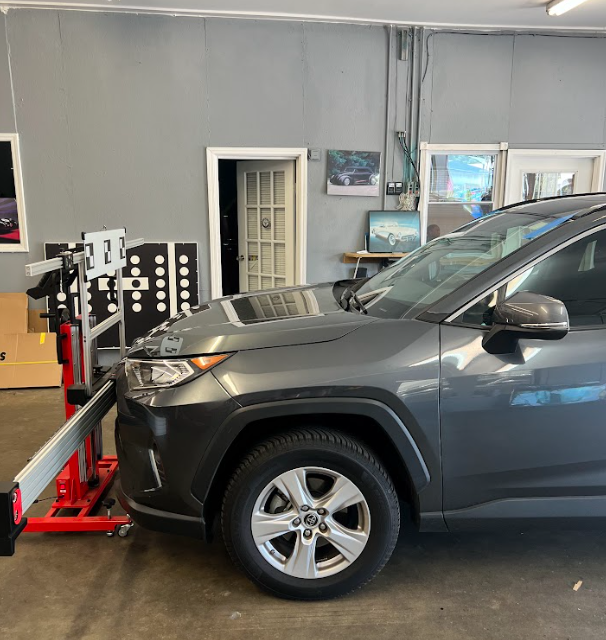
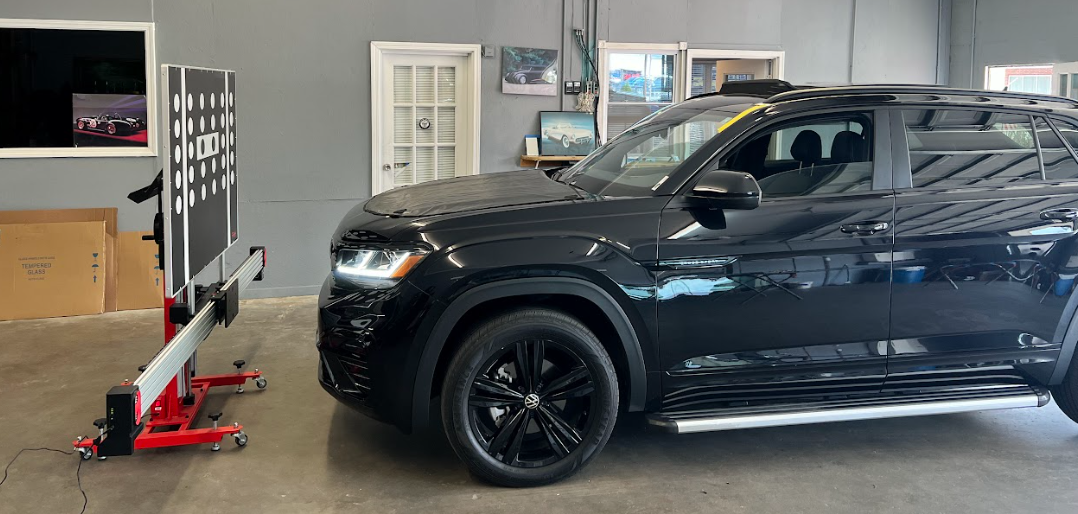
- Calibration Method Required: Static calibration uses alignment targets in a controlled environment; dynamic calibration requires driving at specific speeds and conditions. The availability of proper equipment at the service shop affects how calibration is performed.
- Insurance and Warranty Requirements: Some insurers or warranties mandate certified calibration to validate a repair and maintain coverage.
- Environmental and Optical Factors: Tinted or heated glass, or new glass with different light transmission, may affect camera performance and necessitate optical recalibration.
What Are the Risks of Skipping ADAS Calibration?
Skipping calibration can lead to misaligned lane detection, delayed or false braking events, incorrect adaptive cruise behavior, and persistent warning lights. These failures increase crash risk and may void warranty or insurance claims if a post-repair collision occurs. While occasional minor misalignments might seem tolerable, they can compound under real-world conditions, especially at highway speeds or in poor visibility.
How Much Does ADAS Calibration Typically Cost and How Long Does It Take?
Cost varies by vehicle and required procedure—expect a range from modest fees for simple static calibrations to higher rates when dealer-level equipment or dynamic testing is needed. Calibration time can range from 30 minutes for basic setups to several hours for complex systems that require target setups or test drives. Choosing a shop with OEM-capable tools and documented procedures helps ensure proper calibration and reduces the chance of repeat visits or additional expense.
Does Your ADAS Technology Need Calibration in Gainesville, GA?
If you discover your
ADAS technology is not functioning properly, have just had a wheel alignment, or have questions about the process in
Gainesville,
Buford,
Flowery Branch, or
Cumming, GA,
contact us at New York Auto Glass. We’ve been calibrating ADAS technology for more than 40 years.
Click here to check out our Google reviews!